
Columbus Post-Crash Care Project - FY26 Safe Streets and Roads for All Grant Application
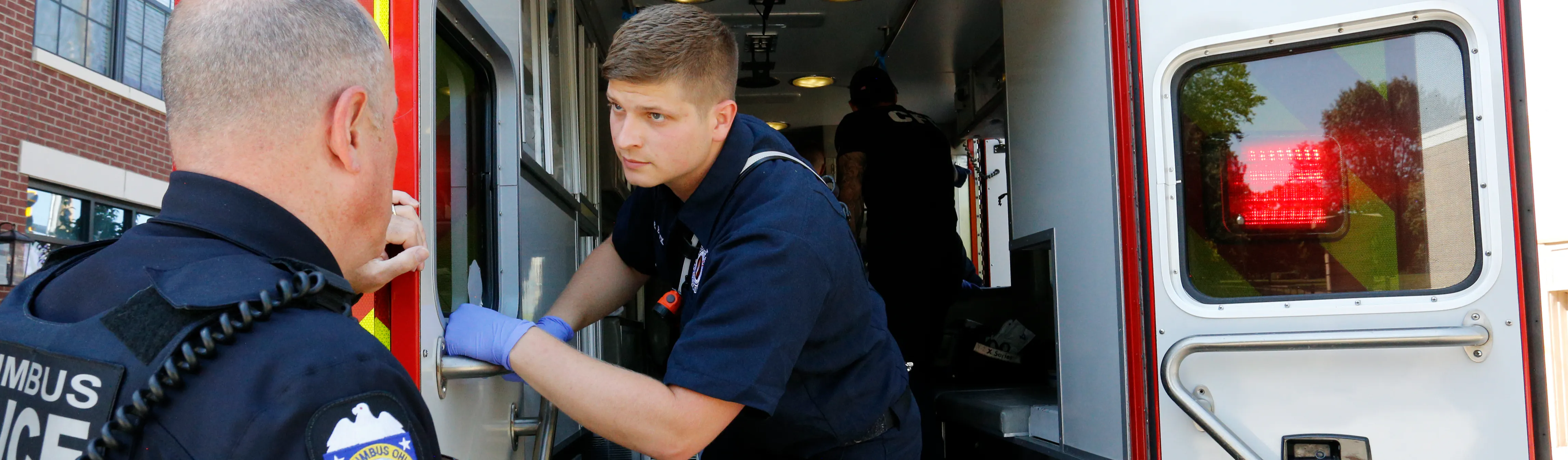
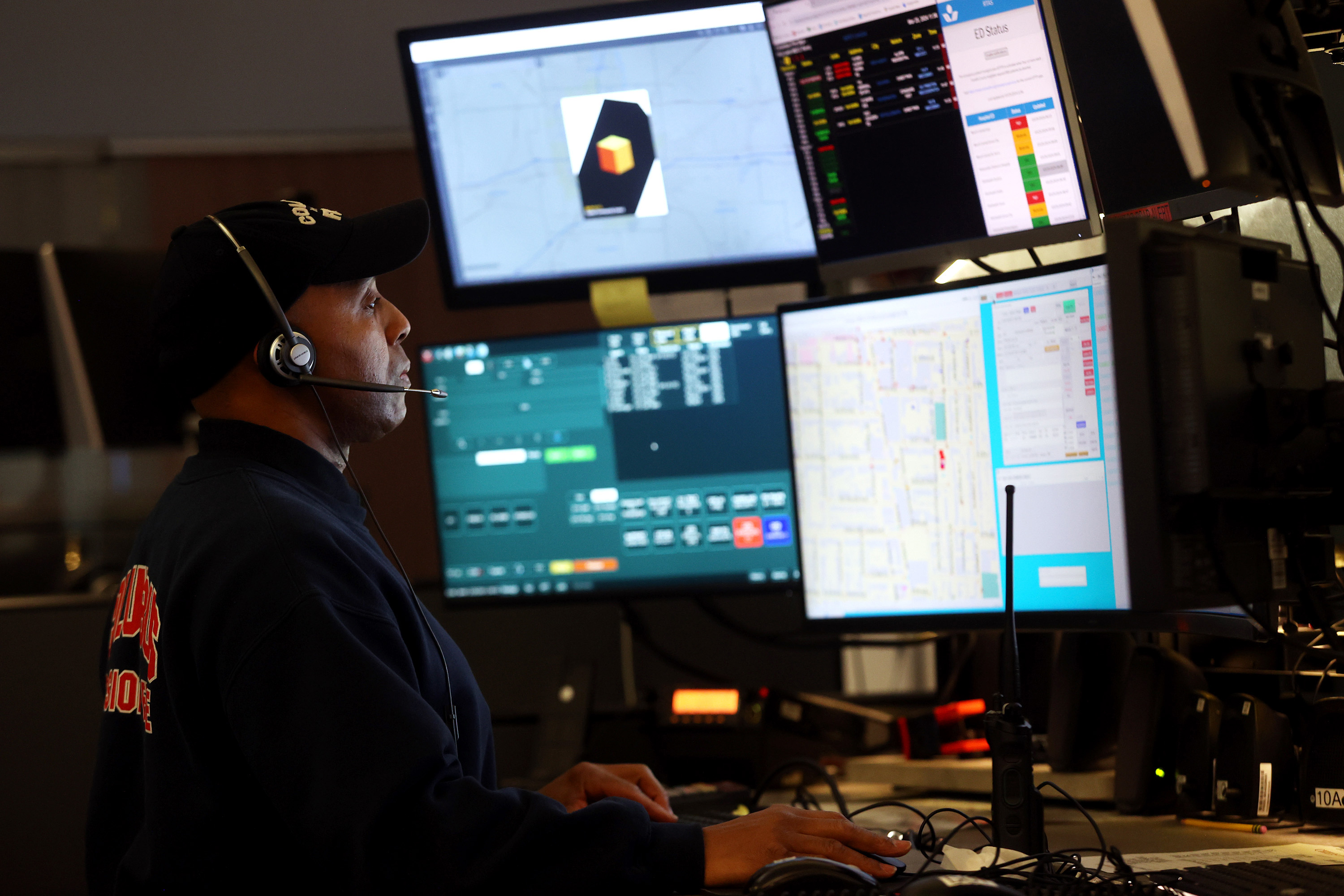
The City of Columbus is requesting a $3,205,904 award from USDOT’s Safe Streets and Roads for All (SS4A) Program to update public safety infrastructure in the city and surrounding region. Columbus (pop. 905,748 in 2020) is the largest city in Ohio, and the 15th largest city in the country. Census data estimates the entire Columbus Metropolitan Statistical Area (MSA) has grown to approximately 2,242,028. The immediate need is to ensure that the Columbus Region’s transportation infrastructure and public safety infrastructure are able to safely and efficiently support our growth across urban and rural communities. The goals of the proposed project are to (1) improve Public Safety Infrastructure in Columbus to best serve the growing Central Ohio region, and (2) apply the most current post-crash care techniques available after serious roadway crashes. The project proposes to achieve these goals by implementing regional Computer Aided Dispatch (CAD-to-CAD) Integration; demonstrating Artificial Intelligence (AI) assistive technologies for Fire and Emergency Medical Services (EMS); implementing citywide prehospital whole blood protocols; deploying Glide Scope Systems on all frontline EMS vehicles; developing a regionwide post-crash care plan; and evaluating the performance of crash prevention and post-crash response.
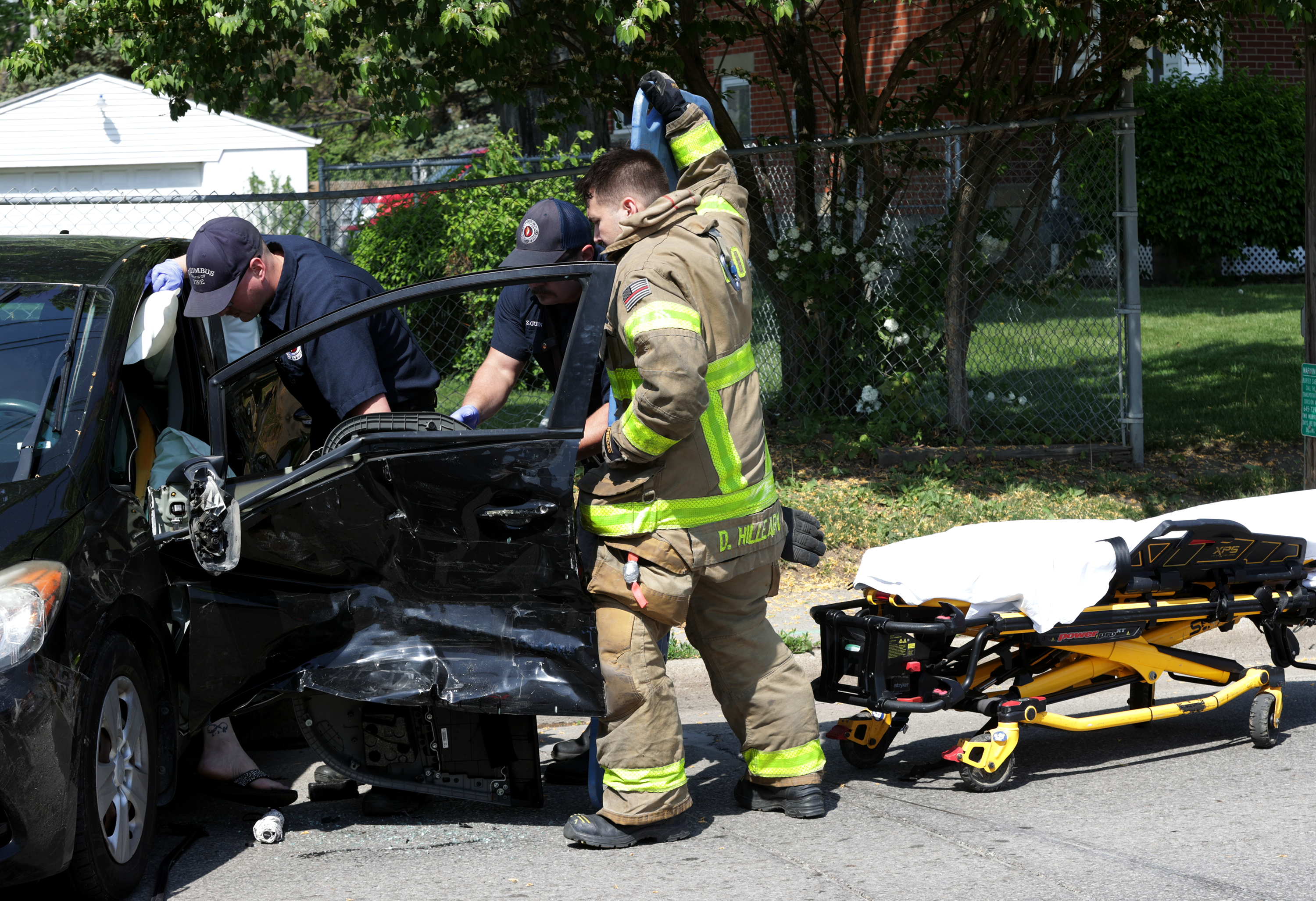
Fire and Emergency Medical Services (EMS) organizations in Central Ohio have historically operated in a highly cooperative manner to maximize the effectiveness of the public safety infrastructure throughout the region. But regional growth is straining current resources. This project is an opportunity to update and expand the public safety infrastructure in Columbus and the surrounding region, and to elevate the level of pre-hospital trauma care that fire and EMS units are able to provide in response to traffic crashes. This project will have a direct impact on improving outcomes for drivers, passengers, and others who are involved in serious crashes. Fatality Analysis Reporting System (FARS) data show traffic crashes killed 443 people in Columbus, during the 2019-2023 timeframe. Crash data maintained by the Ohio Department of Transportation (ODOT) indicates traffic crashes likely seriously injured an additional 2,060 people during the same timeframe. Notably, FARS data shows that only 151 (34%) of people killed by traffic crashes died at the crash scene in Columbus. There is an opportunity to save a significant number of additional lives if EMS units can (1) arrive on-scene more quickly, and (2) leverage new technology and protocols to further elevate the level of pre-hospital trauma care.
This Columbus Post-Crash Care project will provide low-cost, high-impact improvements that will significantly reduce traffic fatalities and improve post-crash care for traffic crash injuries; and it includes three implementation components, two supplemental planning components that will further improve regional efficiency and data analysis, and one demonstration project to pilot the use of AI assistive technology. The implementation, supplemental planning, and demonstration components are essential elements that work together to deliver the three post-crash care strategies outlined in Columbus’ updated Vision Zero Action Plan: (1) Find the crash more quickly, (2) Provide appropriate trauma care more quickly, and (3) Improve post-crash care planning and training for local agencies and staff. The proposed project’s schedule is 36 months for all components. The total project cost is anticipated to be $4,007,380, and Columbus is requesting $3,205,904 in funding from USDOT’s SS4A grant program: $1,360,464 for implementation components, and $1,845,440 for related supplemental planning and demonstration components.
-
 Narrative (18.8 KB) (pdf)
-
Map (5.07 MB) (pdf)
-
Implementation Supplemental Estimated Budget (559 KB) (pdf)
-
Alternative Fatality Data (552 KB) (pdf)
-
Self-Certification Eligibility Worksheet (217 KB) (pdf)
-
Action Plan and Addendum (6.07 MB) (pdf)
-
Initial Letters of Support (16 MB) (pdf)
-
Supporting Documents (4.5 MB) (pdf)

-
 Elected Officials
-
U.S. Senator Jon Husted (76.9 KB) (pdf)
-
U.S. Congresswoman Joyce Beatty (141 KB) (pdf)
-
State Senator Andrew O. Brenner (221 KB) (pdf)
-
State Senator Beth Liston MD PhD (323 KB) (pdf)
-
State Senator Michele Reynolds (481 KB) (pdf)
-
State Representative Beryl Brown Piccolantonio (162 KB) (pdf)
-
State Representative Christine Cockley (130 KB) (pdf)
-
State Representative Dontavius L. Jarrells (302 KB) (pdf)
-
City of Columbus Mayor Andrew J. Ginther (399 KB) (pdf)
-
Columbus City Council President Shannon G. Hardin (610 KB) (pdf)
-
Columbus City Councilmember Lourdes Barrosso de Padilla (532 KB) (pdf)
-
Columbus City Councilmember Nancy Day-Achauer (121 KB) (pdf)
-
Columbus City Councilmember Emmanuel V. Remy (99.4 KB) (pdf)
-
Columbus City Councilmember Christopher L. Wyche (296 KB) (pdf)
-
Franklin County Board of Commissioners (222 KB) (pdf)
-
Franklin County Clerk of Courts Maryellen OShaughnessy (874 KB) (pdf)
-
Franklin County Engineer Adam Fowler P.E. P.S. (688 KB) (pdf)
-
-
State and Local Governments
-
City of Canal Winchester (542 KB) (pdf)
-
City of Dublin (461 KB) (pdf)
-
City of Grandview Heights (414 KB) (pdf)
-
City of Grove City (639 KB) (pdf)
-
City of Groveport (1020 KB) (pdf)
-
City of New Albany (485 KB) (pdf)
-
City of Obetz (603 KB) (pdf)
-
City of Reynoldsburg (572 KB) (pdf)
-
City of Whitehall (534 KB) (pdf)
-
Clinton Township (717 KB) (pdf)
-
Madison Township (707 KB) (pdf)
-
Prairie Township (305 KB) (pdf)
-
-
Agencies and Coalitions
-
ADAMH (667 KB) (pdf)
-
Affordable Housing Alliance of Central Ohio (259 KB) (pdf)
-
ASPYR Workforce Innovation (161 KB) (pdf)
-
Beta District (396 KB) (pdf)
-
CelebrateOne (254 KB) (pdf)
-
Central Ohio Hospital Council (492 KB) (pdf)
-
Central Ohio Transit Authority (277 KB) (pdf)
-
City of Columbus Public Safety Department (576 KB) (pdf)
-
City of Columbus Recreation and Parks Department (171 KB) (pdf)
-
Columbus Chamber of Commerce (123 KB) (pdf)
-
Columbus Metropolitan Housing Authority (1.63 MB) (pdf)
-
Columbus Metropolitan Library (152 KB) (pdf)
-
Columbus Public Health (320 KB) (pdf)
-
Columbus-Franklin County Finance Authority (346 KB) (pdf)
-
Community Shelter Board (458 KB) (pdf)
-
Downtown Columbus Inc. (248 KB) (pdf)
-
Franklin County Convention Facilities Authority (495 KB) (pdf)
-
Franklin County Emergency Management (189 KB) (pdf)
-
Greater Columbus Sports Commission (188 KB) (pdf)
-
Jefferson Township Fire Department (1.03 MB) (pdf)
-
JobsOhio (237 KB) (pdf)
-
Madison Township Fire Department (733 KB) (pdf)
-
MECC Regional Council of Governments (245 KB) (pdf)
-
Mid-Ohio Regional Planning Commission (467 KB) (pdf)
-
Rev1 Ventures (85.2 KB) (pdf)
-
Solid Waste Authority of Central Ohio (831 KB) (pdf)
-
United Way of Central Ohio (152 KB) (pdf)
-
Washington Township Fire Department (859 KB) (pdf)
-
Yay Bikes (291 KB) (pdf)
-
-
Corporations and Private Business
-
7NT (348 KB) (pdf)
-
Benesch Friedlander Coplan Aronoff LLP (512 KB) (pdf)
-
Bricker Graydon (283 KB) (pdf)
-
Burgess Niple Inc. (186 KB) (pdf)
-
CEC (773 KB) (pdf)
-
CK Construction (848 KB) (pdf)
-
Connect Real Estate (344 KB) (pdf)
-
Crane Group (81.4 KB) (pdf)
-
Dynotec Inc. (161 KB) (pdf)
-
EMHT (1.34 MB) (pdf)
-
Encova (593 KB) (pdf)
-
Flaherty Collins Properties (193 KB) (pdf)
-
Frost Brown Todd (51.3 KB) (pdf)
-
HNTB (147 KB) (pdf)
-
Ice Miller (153 KB) (pdf)
-
Jonathan Barnes Architecture and Design (128 KB) (pdf)
-
Kegler Brown Hill and Ritter (228 KB) (pdf)
-
MKSK (1.31 MB) (pdf)
-
MurphyEpson (732 KB) (pdf)
-
Nationwide Realty Investors (218 KB) (pdf)
-
NBBJ (529 KB) (pdf)
-
Planning Next (472 KB) (pdf)
-
Prime AE (186 KB) (pdf)
-
Resource International (520 KB) (pdf)
-
Ribway (302 KB) (pdf)
-
The Daimler Group (207 KB) (pdf)
-
Wendel (156 KB) (pdf)
-
Woda Cooper (325 KB) (pdf)
-
-
Hospitals, Non-Profit Agencies and Public Charities
-
Action for Children (183 KB) (pdf)
-
Alvis Inc. (232 KB) (pdf)
-
Buckeye Ranch (129 KB) (pdf)
-
Center of Science and Industry (COSI) (390 KB) (pdf)
-
Columbus Urban League (287 KB) (pdf)
-
Columbus Zoo Aquarium (339 KB) (pdf)
-
Community Development for All People (545 KB) (pdf)
-
Community Housing Network (549 KB) (pdf)
-
CompDrug (261 KB) (pdf)
-
Franklin Park Conservatory and Botanical Gardens (120 KB) (pdf)
-
Greater Ohio Policy Center (162 KB) (pdf)
-
Habitat for Humanity - Mid-Ohio (724 KB) (pdf)
-
Hilltop Rise (449 KB) (pdf)
-
Impact Community Action (181 KB) (pdf)
-
Jewish Family Services (217 KB) (pdf)
-
LifeCare Alliance (497 KB) (pdf)
-
Mid-Ohio Food Collective (328 KB) (pdf)
-
Mount Carmel Health System (158 KB) (pdf)
-
National Alliance on Mental Illness (183 KB) (pdf)
-
Nationwide Childrens Hospital (2.11 MB) (pdf)
-
Neighborhood Design Center (575 KB) (pdf)
-
Netcare Access (513 KB) (pdf)
-
NSI Food Pantry (336 KB) (pdf)
-
OhioHealth (567 KB) (pdf)
-
Pelotonia (372 KB) (pdf)
-
Rapid 5 (1.11 MB) (pdf)
-
South Side Thrive Collaborative (702 KB) (pdf)
-
Southeast Healthcare Services (555 KB) (pdf)
-
Star House (143 KB) (pdf)
-
The Ohio State University Wexner Medical Center (186 KB) (pdf)
-
YMCA of Central Ohio (121 KB) (pdf)
-
YWCA Columbus (165 KB) (pdf)
-
-
Educational Institutions
-
Professional Organizations and Trade Associations
-
Business Associations, Neighborhood Organizations and Religious Organizations
-
Other Stakeholders
